1
Colour
A
C-Type
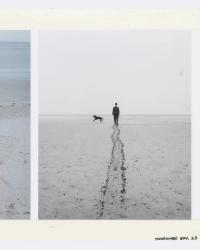
Colour prints made from film negatives using light-sensitive RA-4 paper and chemistry. Printed by hand in open trays rather than automated processors, allowing greater control and experimentation during development. This process offers smooth tonal gradation, rich colour depth, and a lab-quality finish well-suited to photographic work intended for exhibition or publication.








B
Direct Positive
This process creates a positive image directly on photographic paper. It can be produced either by exposing a sheet of photosensitive paper placed directly in a large-format negative carrier, or by enlarging from colour transparencies such as Fuji Provia or Velvia. The technique produces distinctive colours, textures, and tonal qualities, and allows for playful experimentation with the chemistry during development.
2
Black/White
A
Gelatin Silver
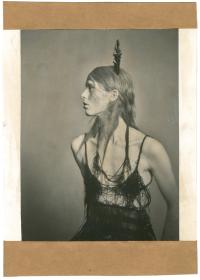
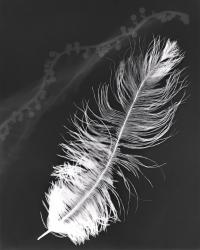
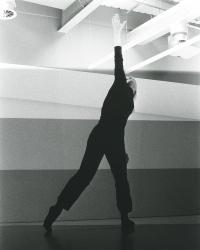
Black and white prints made using traditional gelatin silver paper. Three principal paper types are available: resin-coated paper, which has a smooth surface and a clean, contemporary finish; fibre-based paper, valued for its deep tonal richness and classic photographic character; and art paper, which offers a softer matte surface and a more tactile, painterly quality. Each produces a distinct look and feel while preserving the tonal depth and detail associated with gelatin silver printing.



B
Partial Chemistry
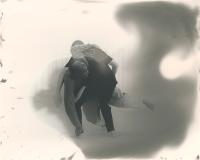
A variant of gelatin silver printing in which the photograph is developed through multiple baths of differing chemical concentrations. By interrupting and varying the development process, the image builds gradually in layered tones. The result is a softer, more painterly photographic print, with subtle transitions and a distinctive sense of depth.


C
Selenium Toning
A variant of gelatin silver printing in which the finished print is treated in a selenium bath. The process deepens blacks, introduces subtle warmth, and increases the archival stability of the photograph. The strength of the selenium solution can be adjusted to control the degree of tonal warmth achieved in the final print.
D
Lith Printing
A variant of gelatin silver printing developed using lith chemistry and specialised papers such as Foma Retrobrom SP. The process produces gritty shadows, soft highlights, and pronounced grain through infectious development. Each print develops unpredictably in the tray, resulting in distinctive tonal character and making every print subtly unique.
E
Liquid Emulsion
A variant of silver gelatin printing in which liquid photographic emulsion is hand-applied to a surface before exposure. This allows images to be printed on papers not normally used in the darkroom, such as cartridge or watercolour paper. Because the emulsion can be brushed onto the surface by hand, the image can take on a more painterly quality, with subtle textures and variations unique to each print.
3
Alternative
A
Cyanotype
An iron-based contact printing process in which paper is coated with a light-sensitive solution and exposed to ultraviolet light. The technique produces a distinctive Prussian blue, though the colour can be altered through toning. Baths such as black tea or tannic acid can shift the image toward more neutral brown or black-and-white tones.
B
Platinum Palladium
A contact printing process in which paper is hand-coated with platinum or palladium salts and exposed to ultraviolet light beneath a negative. The resulting prints are prized for their exceptionally subtle tonal transitions, soft highlights, and deep matte blacks. Unlike conventional photographic papers, the image sits within the fibres of the paper itself, producing a rich, tactile surface and remarkable archival permanence.
C
Wet Plate Collodion
A photographic process in which a plate - typically glass or blackened aluminium - is coated with collodion, sensitised in silver nitrate, and exposed while still wet. The resulting images show luminous highlights, deep shadows, and distinctive imperfections. Glass plates can also be used as negatives from which prints may be made.
D
Gum Bichromate
A contact printing process in which pigment, gum arabic, and dichromate are brushed onto paper and exposed under a negative using ultraviolet light. The image is built through successive layers, allowing for considerable control and variation. The technique can be used for both black-and-white and colour printing, producing softly textured images with a distinctive painterly quality.
4
Techniques
A
Border Finish
When enlarging a negative onto photographic paper, the final image can either include the full frame of the negative or be cropped using the enlarging easel. Showing the full frame reveals the natural rebate and textured edges of the negative, while easel cropping produces a clean, sharp border around the image. Both approaches are widely used and can subtly influence the character of the finished print.
B
Pre-Flash
A controlled flash of light applied to the photographic paper before the main exposure. This technique gently reduces contrast and can help reveal detail in the shadow areas of an image. In C-type printing, the pre-flash can also be colour-balanced to introduce subtle warm or cool tonal shifts, or kept neutral when the aim is simply to soften contrast without altering colour.
C
Dodge & Burn
Manual lightening or darkening of specific areas during printing. A foundational darkroom technique for controlling tone.
D
Creative Burning
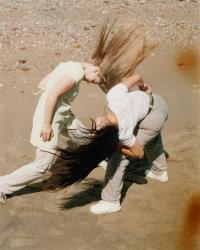
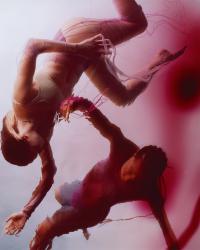
Used more expressively than traditional burning. Shapes light and shadow to create mood or guide the eye across the image.
E
Blurring
Soft focus or movement introduced during exposure. Adds atmosphere or abstraction to the image.




F
Mark Making
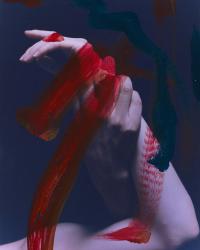
Post-print mark making applied by hand using materials such as Chinagraph pencil or paint. Used to draw attention, disrupt, or enhance areas of the print.




G
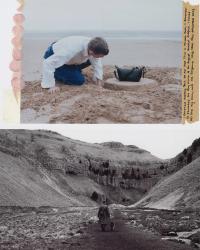
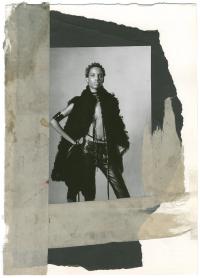
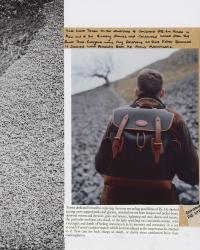
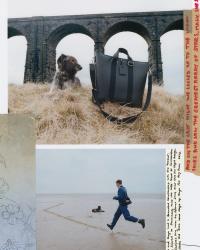
Collage
Physical interventions such as torn paper or masking tape. Introduces texture, frames the images and reveals process.